
Found a Malabar Gold Dubai rate online but received a different total from the branch? Before travelling or paying, determine whether the website figure and store quotation use the same time, purity, unit, weight basis and included charges. A documented comparison can prevent a wasted journey and an uninformed purchase.

Searching Malabar Gold Dubai Rate? Verify the Quote Before Visiting a Store shown with jewellery material and scale cues.
Is the Malabar Gold Dubai rate directly comparable with Dubai’s reference rate?
The Malabar Gold Dubai rate is comparable with Dubai’s reference rate only when the UAE timestamp, karat purity, currency, unit and geographic or sales-channel scope match. Neither figure alone establishes the final price of finished jewellery.
Matching timestamp, karat and unit is required before comparing gold rates
- Match the UAE date and time to identify differences caused by rate movements.
- Match the karat and stated fineness so both figures refer to the same gold purity.
- Match AED per gram, or verify the weight conversion and rounding method.
- Check the scope to distinguish an online or UAE-wide display from a rate applicable to a named Dubai branch.
The Dubai Gold & Jewellery Group provides the relevant industry context, while this guide explains how Dubai gold reference-rate boards should be used.

Is the Malabar Gold Dubai rate directly comparable with Dubai’s reference rate shown as a fine jewellery reference.
A reference gold rate and a retailer quote answer different pricing questions
A reference rate describes gold of a specified purity and unit. A retailer quotation prices a particular item and may include workmanship, stones, tax or conditional promotions. Record the complete online display before asking the branch to explain those additions.
What should a buyer record from the Malabar Gold Dubai rate page?
Record more than the headline number. A useful capture identifies the page, access time, selected karat, currency, unit and surrounding terms, creating a consistent basis for questioning a different branch quotation.
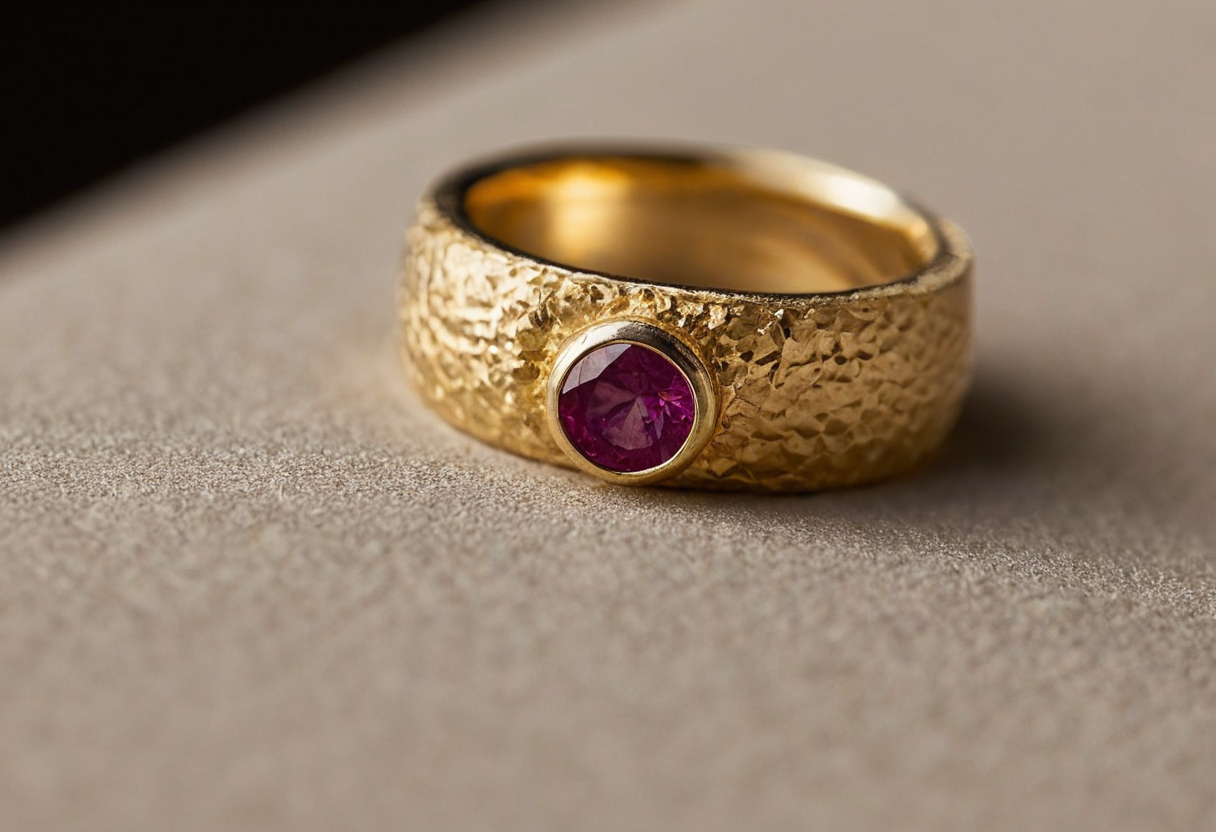
What should a buyer record from the Malabar Gold Dubai rate page shown with jewellery material and scale cues.
A useful gold-rate screenshot must preserve the surrounding terms
- Record the page identity and UAE date and time to establish when the rate was observed. If no timestamp appears, note the access time yourself.
- Show the selected karat, currency and unit to preserve every active selector that affects the displayed figure.
- Include visible footnotes and exclusions to avoid separating the number from its conditions.
- Note any refresh to distinguish an earlier display from a later rate.
- Check the geographic and channel scope to determine whether the display applies to Dubai, the wider UAE or online purchases.
Capture enough of the mobile or desktop screen to show these fields together. The result should demonstrate exactly what appeared, rather than what the buyer remembers seeing.

Capture enough of the mobile or desktop screen to show these fields together shown as a fine jewellery reference.
Dubai branch identity matters when requesting a matching quotation
Identify the intended store through the retailer’s current branch information. Record the branch name, location, contact channel, salesperson and enquiry time. Ask whether the displayed online rate applies to that branch and whether a branch-specific promotion changes the quotation.
The screenshot establishes the comparison point. The next task is to identify which parts of the finished-jewellery price sit outside that displayed rate.
The advertised gold rate is only one part of a finished jewellery price
The applicable gold rate usually supplies only the metal-price input. The payable total can also depend on chargeable gold weight, workmanship, stones, disclosed fees, discounts and applicable tax.
Chargeable gold weight may differ from a product’s gross weight
Confirm which weight the retailer multiplies by the gold rate. Gross weight may describe the complete piece, while net or chargeable gold weight may exclude stones and non-gold components. Ask the branch to define every weight on the tag or quotation instead of assuming gross weight represents payable gold.
Check the karat and chargeable weight together. A valid metal-value comparison requires the same purity, weight basis and rate unit. This distinction is particularly important for stone-set pieces and explains how the Dubai gold rate feeds into a finished ring price.
Making charges must be identified by amount and calculation method
Identify whether the making charge is fixed, calculated per gram, percentage-based or determined by another disclosed method. Pieces with identical purity and gold weight can have different workmanship costs because construction, finishing and stone-setting requirements differ.
Record exactly what a promotion reduces. A discount may apply to making charges, another invoice component or the overall total, subject to its stated conditions. Do not treat a promotional headline as a reduction in the gold rate unless the written terms say so.
Stone value, discounts and tax must appear in the reconciliation
Request separate entries for stone value, any certification-related charge, discounts and applicable tax. A stone-set product price cannot be reconstructed accurately from the gold rate and gross weight alone.

The advertised gold rate is only one part of a finished jewellery price shown with jewellery material and scale cues.
Preserve the calculation order shown in the quotation rather than estimating how discounts or tax should apply. Visible components can then be reconciled across the website, branch quote and final invoice.
How can a buyer reconcile an online rate, a store quote and the final invoice?
Align the capture time, transaction time, karat, AED unit, chargeable weight, metal value, making charge, stones, discounts, tax and total. Each difference then receives a specific explanation rather than a judgement based on the headline rate.
A comparison table should expose every pricing input
Online display: Record the UAE date and time, purity, unit, scope and displayed rate.
Branch quotation: Record the named branch, product reference, expected weight, applicable rate, validity period and additional charges.
Invoice: Record the billed inputs, transaction time, rounding and final total.
- Match the time to reveal whether rate movement explains the difference.
- Match the purity and unit to establish a common metal basis.
- Verify the chargeable weight to exclude stones or non-gold components from the metal calculation where applicable.
- Calculate the metal value from the stated rate and chargeable weight using the retailer’s documented formula.
- Reconcile the making charge and stones to identify non-metal product costs.
- Apply the documented discounts to the invoice components specified by the quotation.
- Check tax, rounding and total against the actual invoice instead of assuming the calculation sequence.
Rate movement and calculation mismatch are different issues
A changed rate may result from different capture and billing times. A calculation mismatch instead concerns purity, unit, weight, formula or additional charges. Check the quotation and invoice times, then request written confirmation of any promised rate reservation and its conditions.
The UAE Federal Tax Authority describes VAT as a consumption tax whose cost is ultimately borne by the final consumer. The taxable amount and calculation order for a jewellery purchase must be checked against the specific invoice and applicable rules. Request those inputs before travelling.

How can a buyer reconcile an online rate, a store quote and the final invoice shown as a fine jewellery reference.
What should a buyer ask a Malabar Gold Dubai branch before travelling?
Request a written, time-stamped quotation for an identified product or product type. A standard request makes the branch response easier to compare with the online display.

What should a buyer ask a Malabar Gold Dubai branch before travelling shown with jewellery material and scale cues.
The pre-visit request should use a standard quotation checklist
Send this copy-ready request:
“Please quote for product reference [reference] in [karat] and state its expected gold weight. Please provide the applicable gold rate and unit, making-charge method, stone value, conditional discounts, tax, estimated total and quotation expiry. Please confirm the Dubai branch, stock status, opening hours, quotation reference, and whether the quotation is indicative or binding.”
A rate lock or promotion is valid only under its stated conditions
Check whether the branch offers a rate lock and, if so, confirm its validity period, eligible products, deposit requirement and cancellation terms. For a promotion, verify the dates, participating branches, payment conditions and exclusions. Save the reply so any later difference can be documented before payment.
Unexplained quote differences should be documented before payment
If the branch total differs from the captured Malabar Gold Dubai rate, check ordinary timing and calculation explanations first. Request any remaining difference in writing before paying.
A discrepancy checklist should be completed before alleging overcharging
- Match the timestamp and branch to separate rate movement from a calculation issue.
- Confirm the karat and AED unit to ensure both figures describe the same purity and quantity.
- Compare chargeable and gross weight to identify stones or non-gold components.
- Recalculate the metal value from the stated rate and chargeable weight.
- Separate making charges, stones, discounts, tax and rounding to locate the unexplained amount.
- Request a written explanation to complete the record before payment.
A consumer complaint needs the advertisement, quote and invoice trail
Retain the rate-page screenshot, written quotation, product tag, retailer correspondence, payment record and itemised invoice. Record the branch, date and product reference, then contact the retailer’s customer-service or escalation team. If the matter remains unresolved, use the verified official complaint channel applicable to the Dubai purchase and follow its current evidence requirements.
Unexplained quote differences should be documented before payment shown as a fine jewellery reference.
Do not pay until the product details, calculation inputs and final total form a clear screen-to-invoice record.
Frequently asked questions
Is the Malabar Gold Dubai rate the same as the Dubai Gold & Jewellery Group reference rate?
Do not assume the figures are identical. Compare their timestamps, karat purities, AED units and stated scopes before treating them as equivalent.
Does the Malabar Gold Dubai rate include making charges, stones and applicable tax?
A displayed gold rate should not be treated as the finished-jewellery total. Ask the branch to identify metal value, making charges, stones, discounts, tax and other disclosed amounts separately.