
Should the ring on the showroom tray be a lab-grown diamond or a natural diamond? For a Dubai engagement-ring buyer, the safer decision starts before sparkle: check origin wording, the grading report number, the 4Cs, the setting, and the after-sales terms before a deposit conversation or CAD approval becomes final.
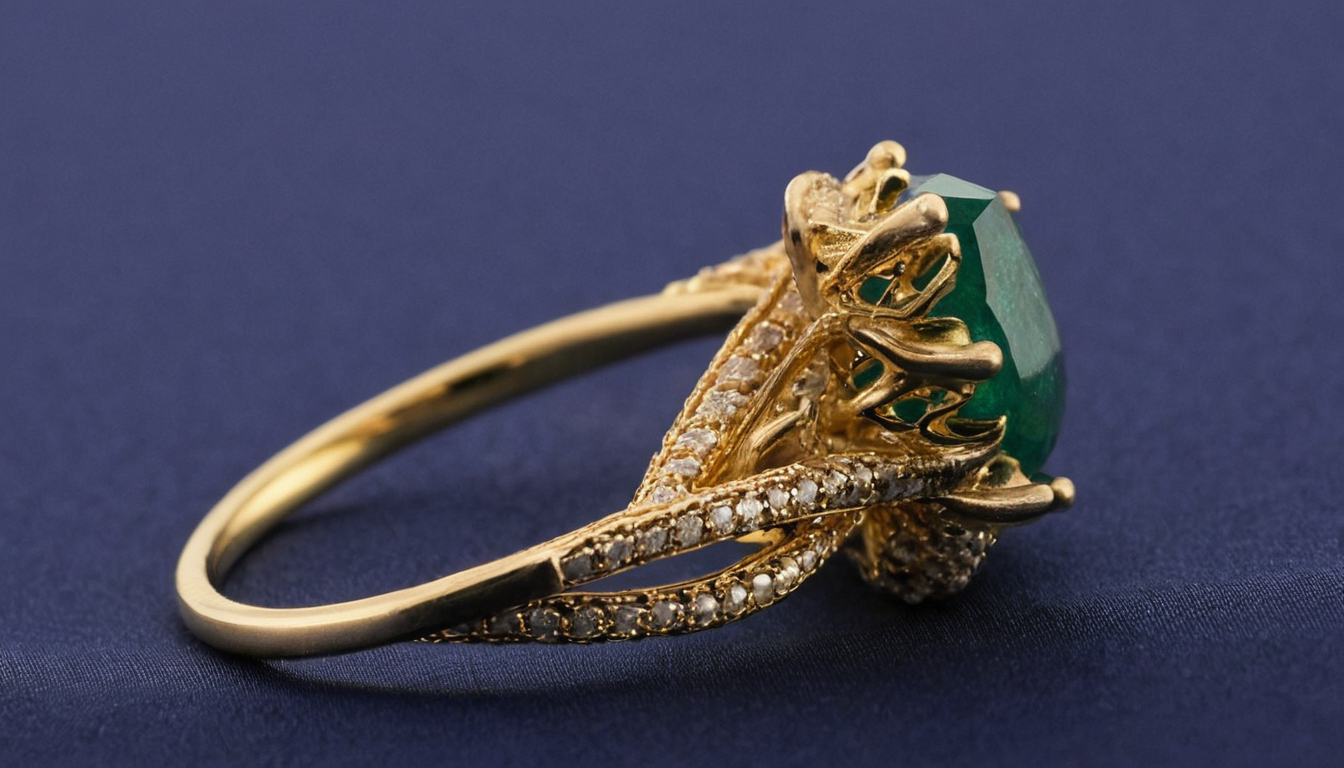
Lab-Grown or Natural Diamond Ring in Dubai: What to Compare Before You Choose shown with metal and gemstone detail for context.
For a Dubai engagement-ring buyer, lab-grown and natural diamonds are both diamonds but origin changes the buying decision
For a buyer choosing an engagement ring in Dubai, lab-grown and natural diamonds can share the same basic diamond material and daily-wear hardness, but origin changes disclosure, expectations, and paperwork. Start with identity before sparkle, especially when a loupe, report number, CAD approval, or deposit invoice is on the counter.
Can the subject diamond be called real if it is laboratory-grown?
A laboratory-grown diamond is not the same as cubic zirconia or moissanite. Cubic zirconia and moissanite are diamond simulants because they imitate the look of diamond while having different material composition. A laboratory-grown diamond is diamond grown by human-controlled processes rather than by geological formation.
GIA explains laboratory-grown diamonds as diamonds made in a lab or factory rather than by nature, with essentially the same chemical composition and crystal structure as natural diamonds, and with the same appearance to the unaided eye. That is why “fake” is the wrong word for a disclosed lab-grown diamond. The accurate question is not whether the stone is real, but whether the stone is natural diamond or laboratory-grown diamond.
What diamond-origin wording should the Dubai jeweller use before payment?
Diamond-origin wording should be direct before the buyer pays a deposit or accepts a ready-made ring invoice. The risk is not that a lab-grown diamond lacks beauty; the risk is vague wording that leaves the couple unsure what was purchased.
- Ask for the origin in writing: “natural diamond” or “laboratory-grown diamond,” not only “diamond ring.”
- Check the report type: IGI’s Laboratory Grown Diamond Report documents gemmological characteristics for lab-created diamonds.
- Confirm screening language: IGI states that it screens natural and lab-grown diamonds so trade and consumers receive the product they expect.
- Match values with disclosure: buyers who care about sourcing should raise ethical sourcing and jewellery disclosure considerations before the invoice is prepared.
Once origin is clear, the next decision is technical: compare the 4Cs and measurements side by side before deciding whether natural or lab-grown is the better ring choice.
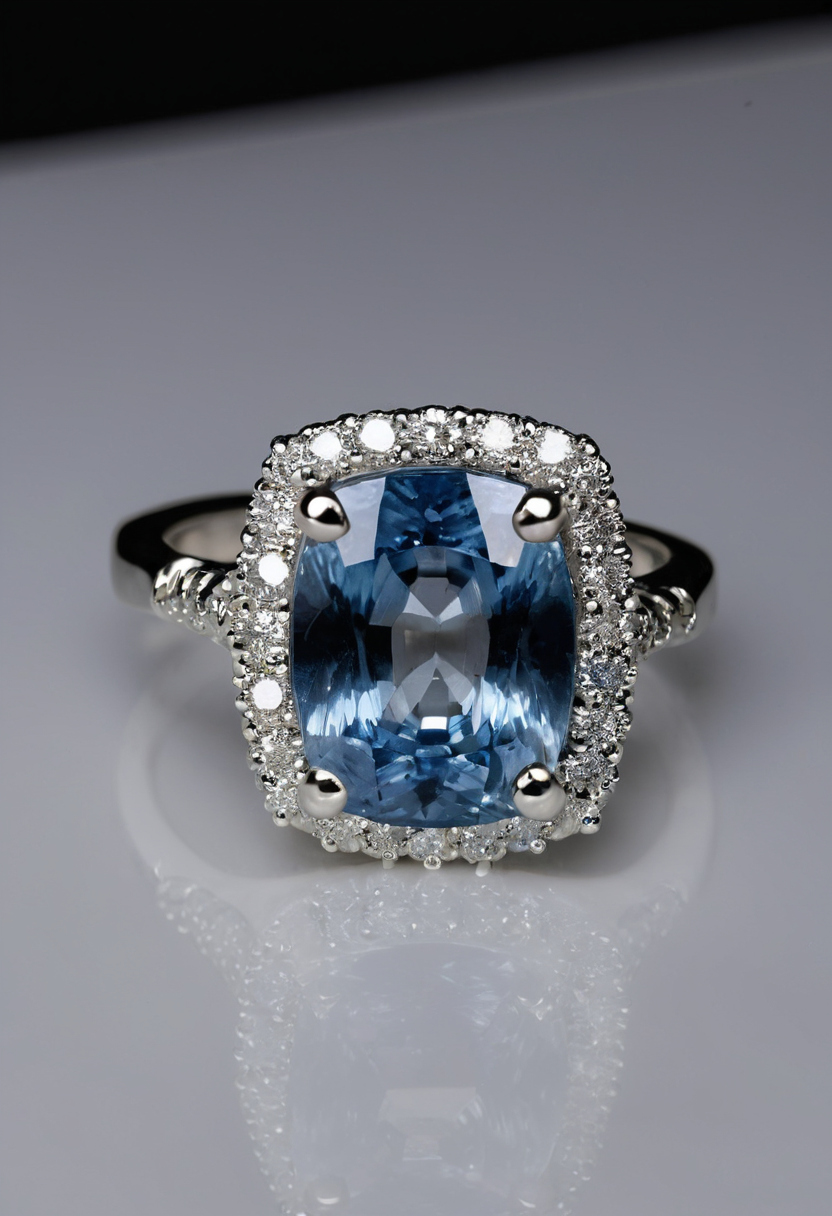
For a Dubai engagement-ring buyer, lab-grown and natural diamonds are both diamonds but origin changes the buying decision shown as a fine-jewellery reference.
The 4Cs and measurements should be compared before deciding whether natural or lab-grown is better
For two diamond rings viewed in a Dubai showroom, origin alone does not tell the buyer which stone looks brighter, larger, or cleaner. Carat, colour, clarity, cut quality, measurements, fluorescence, and any treatments must be compared under the same lighting conditions and with the same ring purpose in mind.
Which 4Cs matter most when two diamonds look similar in a ring?
| Specification | What to compare | Why it matters in an engagement ring |
|---|---|---|
| Cut | For round brilliant diamonds, check cut grade, proportions, polish, and symmetry. | Cut has the strongest effect on brightness, fire, and scintillation. GIA says its Diamond Grading Report assesses the 4Cs and includes a cut grade for standard round brilliant diamonds in the D-to-Z colour range, with proportions shown on the report. |
| Colour | Compare colour beside the chosen metal, especially white gold, platinum, or yellow gold. | IGI lists colour ranges from D-F colourless through near colourless, tinted, light colour, and fancy categories, so one grade difference may matter less than how the diamond faces up in the setting. |
| Clarity | Check whether inclusions are visible without magnification and where the inclusions sit. | IGI grades clarity at 10X magnification, but an engagement ring is judged by eye, in photographs, and at close hand distance. |
| Carat and measurements | Compare weight with millimetre dimensions, table, depth, and outline. | A heavier diamond can look smaller if weight sits in depth rather than face-up spread. |
Why should carat weight be checked with measurements, not alone?
Carat is weight, not visible diameter. A round diamond, oval, cushion, or emerald cut with similar carat weight can cover the finger differently because proportions and outline change the face-up area. A halo can add visual spread, a solitaire shows the centre stone honestly, a bezel can frame the outline, and a three-stone ring changes width across the finger.
How should fluorescence and treatments be handled in the comparison?
Fluorescence, comments, inscription, and treatment notes should be read before the buyer compares value. IGI states that lab-grown reports include polish and symmetry, and that round brilliant and fancy shapes are handled with different cut-assessment methods on its lab-grown diamond report. GIA’s sample natural diamond report information also shows that a Diamond Grading Report includes colour, clarity, cut and carat weight, plus a plotted diagram of clarity characteristics and a graphic representation of proportions.
GIA also explains that laboratory identification uses scientific measures and gemmological observations, not unaided appearance alone, in its laboratory-grown diamond guidance. The next check is simple: the report, inscription, invoice, and warranty should describe the same diamond without conflict.
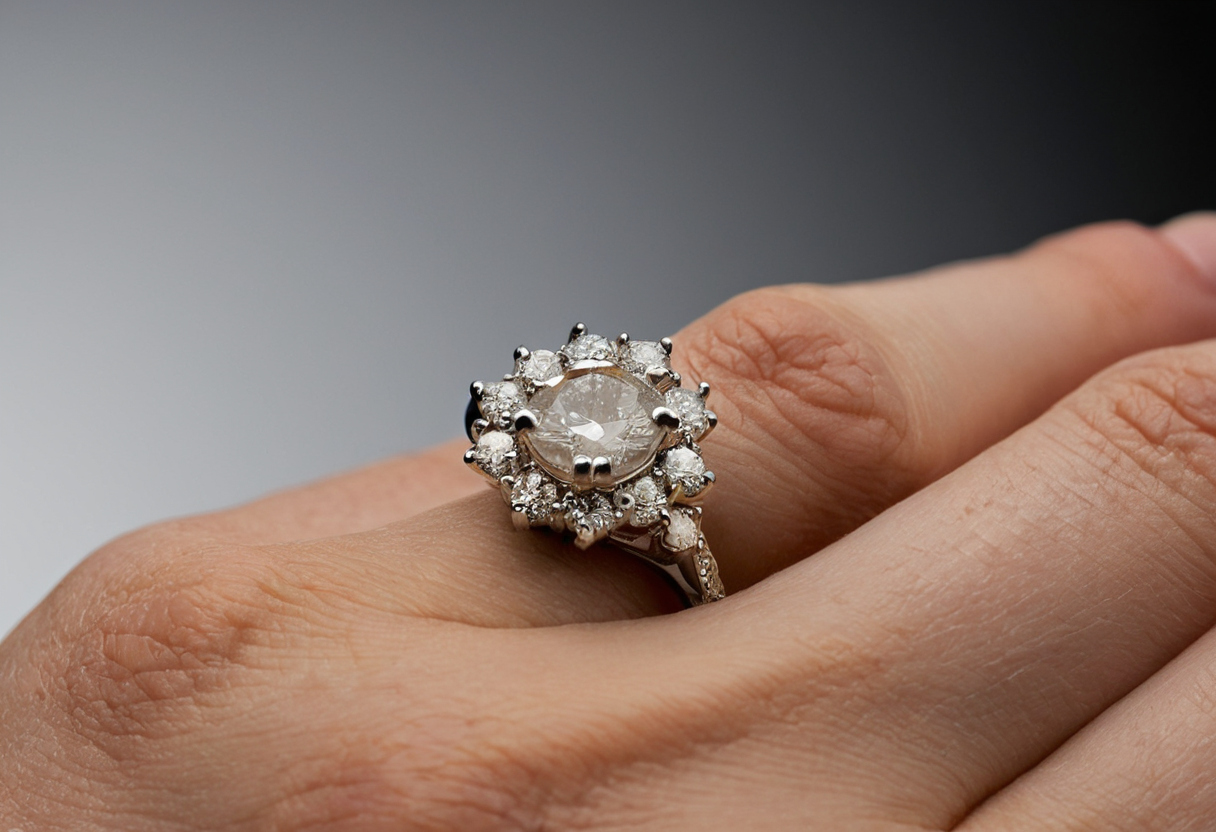
The 4Cs and measurements should be compared before deciding whether natural or lab-grown is better shown with metal and gemstone detail for context.
A grading report should clearly state diamond origin, treatments, and identification details
For a Dubai diamond ring purchase, the grading report is the buyer’s main independent specification record only if the report matches the stone being sold. The report should state origin where relevant, list the 4Cs and measurements, disclose treatments, and correspond with any laser inscription and invoice description.
What fields should a diamond grading report include before a Dubai buyer accepts it?
- Check the document type. IGI explains that what many buyers call a certificate is a grading report, and its reports are used for loose diamonds, gemstones, and finished jewellery authentication and grading: IGI report verification guidance.
- Confirm origin wording. A loose diamond report should identify whether the diamond is natural or laboratory-grown and document the value-setting 4Cs. IGI also states that screening separates natural, laboratory-grown, and simulant origins, with further analysis for treatments or enhancements.
- Read treatment comments. For laboratory-grown diamonds, IGI says the growth process and treatments can be noted in report comments upon request: IGI laboratory-grown diamond report. GIA also notes that HPHT processing can affect colour in some natural and laboratory-grown diamonds, so treatment language should not be ignored.
- Separate loose-stone reports from mounted-jewellery reports. For finished lab-grown diamond jewellery, IGI may describe the article, identify mounted gemstones, and state precious metal content or purity stamps if visible; for centre stones, shape, cutting style, measurements, and 4Cs are assessed as the mounting permits.
How should the report, inscription, invoice, and warranty agree?
- The report number should match the laser inscription on the diamond girdle when viewed under magnification, if the stone is inscribed.
- The invoice should repeat the diamond origin, report number, carat weight, colour, clarity, shape, and metal karat, not just say “diamond ring.”
- The warranty should state resizing limits, routine prong checks, cleaning terms, and exclusions for impact damage or stone loss.
Once the documents match, the next decision becomes personal: which origin, budget priority, and service policy best fit the recipient and the proposal plan.
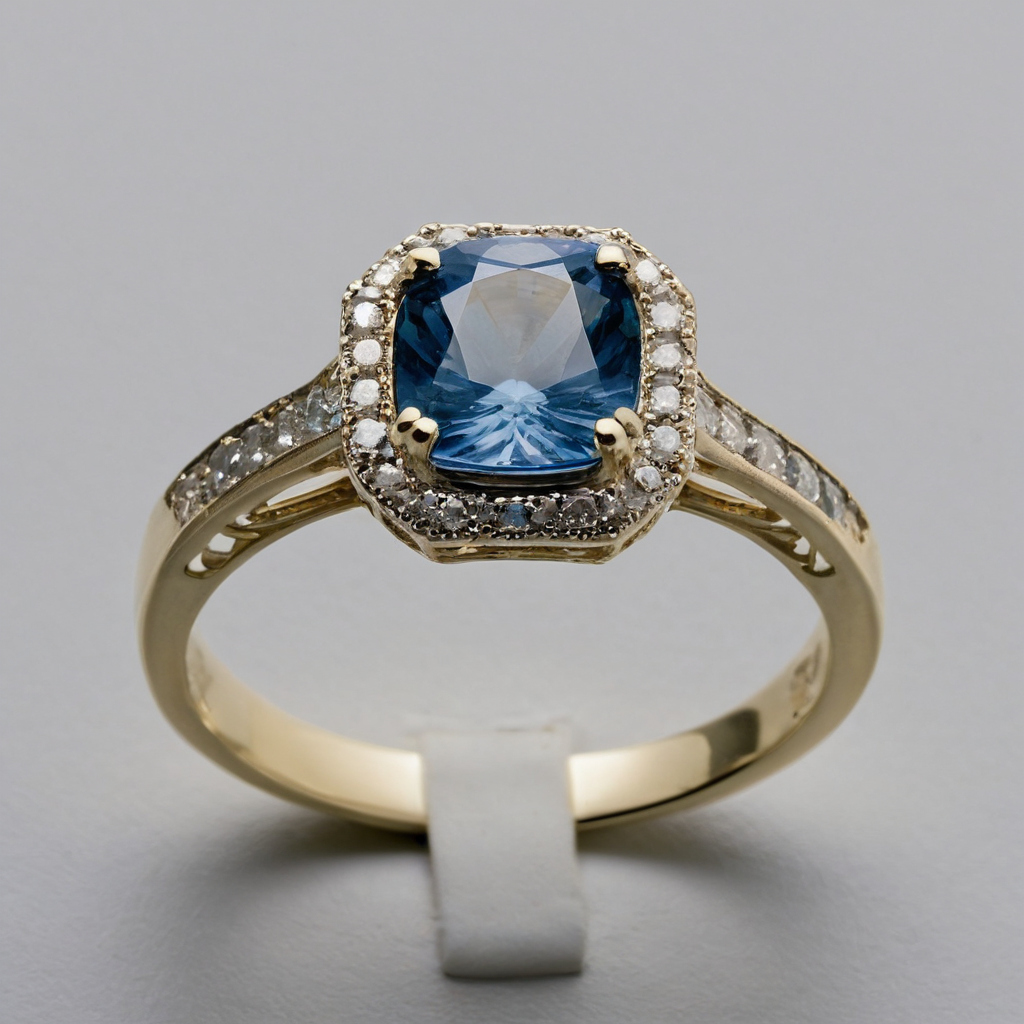
A grading report should clearly state diamond origin, treatments, and identification details shown with metal and gemstone detail for context.
The better choice depends on budget priorities, recipient expectations, and long-term service plans
For an engagement ring in Dubai, a lab-grown diamond may suit a buyer prioritising larger visual size or higher specifications within a set budget, while a natural diamond may suit a buyer prioritising geological origin and traditional expectations. The better choice depends on the couple’s values, not a universal rule.
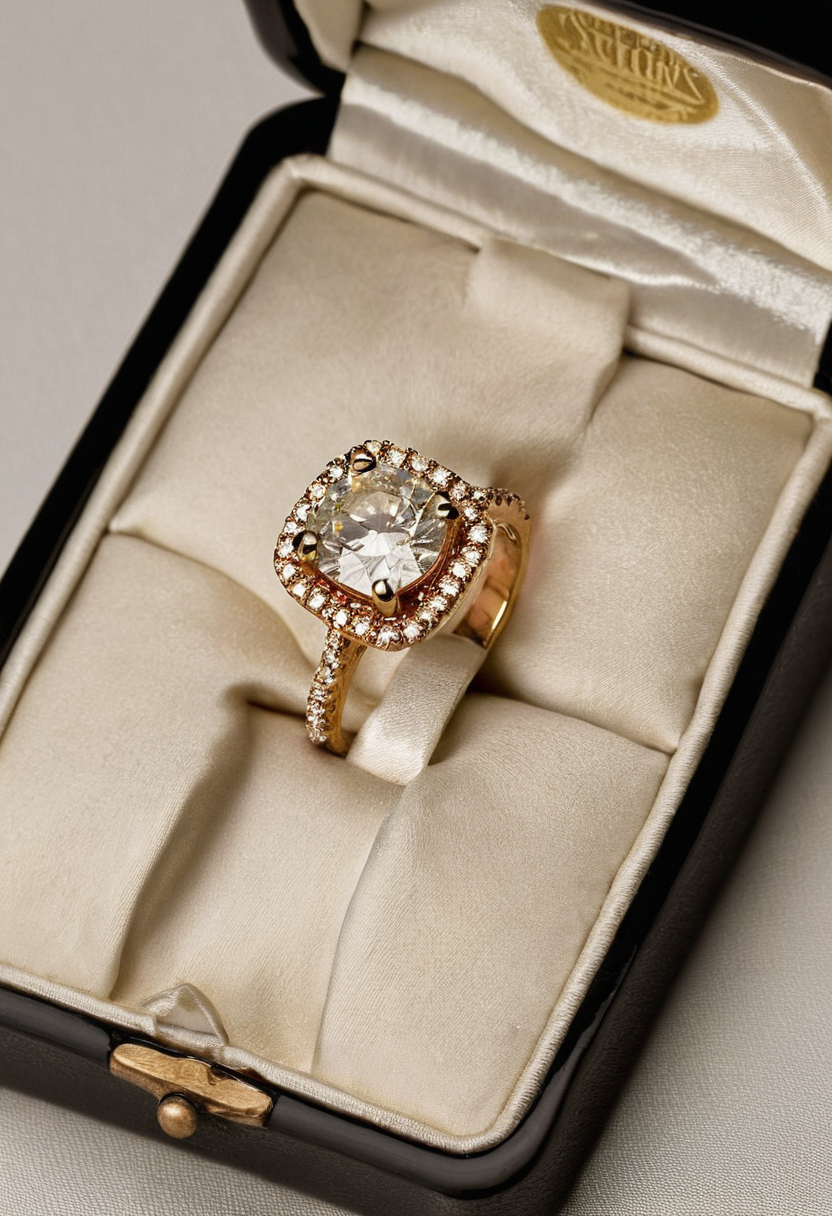
The better choice depends on budget priorities, recipient expectations, and long-term service plans shown with metal and gemstone detail for context.
When does a lab-grown diamond ring make practical sense in Dubai?
A lab-grown diamond ring makes practical sense when the buyer wants to compare a larger carat size, stronger colour or clarity grade, or a more detailed setting within a fixed spend. This choice can also suit a custom proposal ring where the design, CAD approval, and centre-stone proportions matter more than natural origin. Lab-grown origin should be disclosed clearly, not hidden, and should not be treated as visually inferior by default.
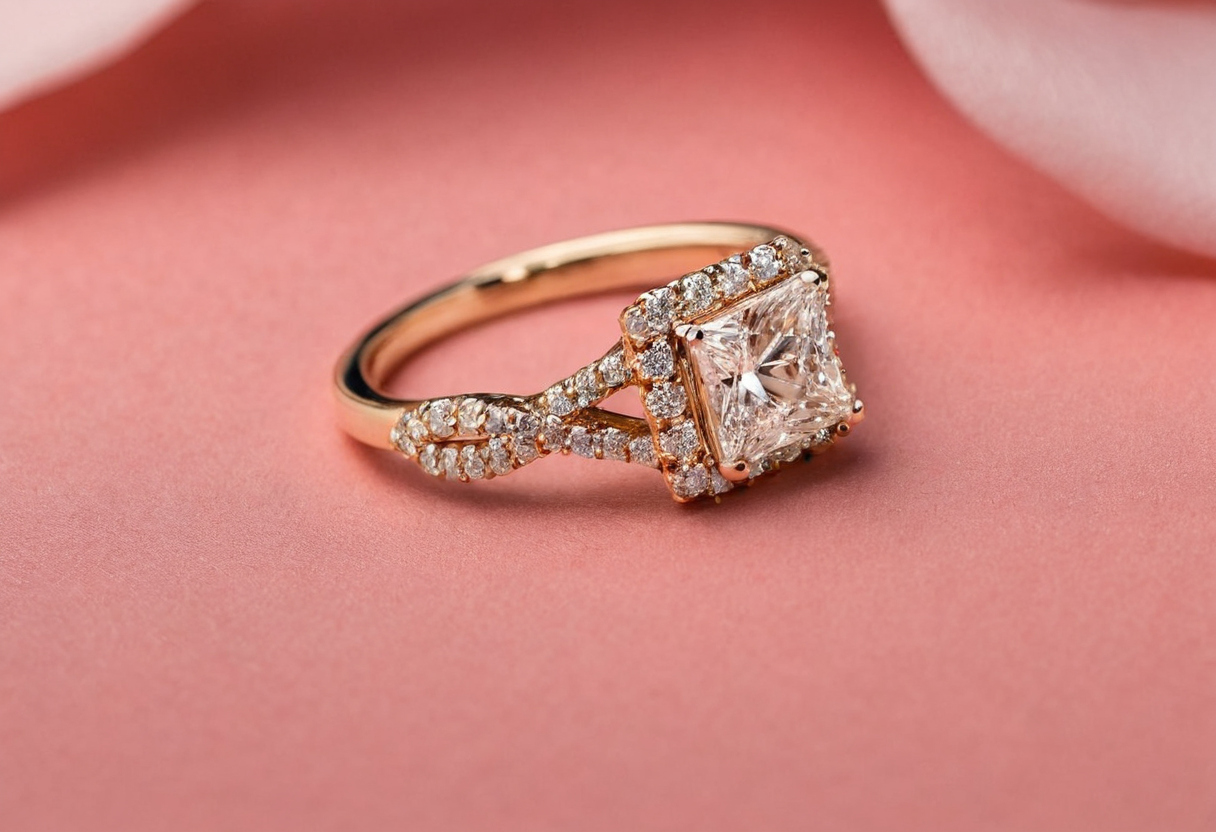
A lab-grown diamond ring makes practical sense when the buyer wants to compare a larger carat size, stronger colour or clarity grade, or a more shown as a fine-jewellery reference.
When does a natural diamond ring make practical sense in Dubai?
A natural diamond ring makes practical sense when the recipient values geological origin, family tradition, or an heirloom-style purchase. Anniversary upgrades and classic solitaire designs often fall into this category because the story of natural formation is part of the gift, provided the stone has suitable grading documentation and transparent sourcing information.
What should the buyer avoid assuming about resale or investment value?
A Dubai buyer should avoid treating either option as a guaranteed investment. Resale, upgrade, and trade-in outcomes depend on the jeweller’s written policy, diamond specifications, timing, demand, and condition. After origin and priorities are settled, the next practical question is whether the setting, metal, and maintenance plan can support daily wear.
Ring setting, metal choice, and daily wear can matter as much as diamond origin
For a diamond engagement ring worn daily in Dubai, the setting and metal affect comfort, durability, resizing, and maintenance whether the centre stone is lab-grown or natural. A secure setting, appropriate 18K gold or platinum choice, and planned after-care protect the ring better than origin alone.
Which setting protects a diamond ring for daily UAE wear?
Diamond ranks 10 on the Mohs hardness scale, but hardness does not make a ring impact-proof. A prong-set solitaire shows more of the stone, while a bezel, low cathedral, or well-built halo can give better edge protection for active hands. Pavé and eternity styles need more inspection because small stones and shared claws can loosen with knocks.
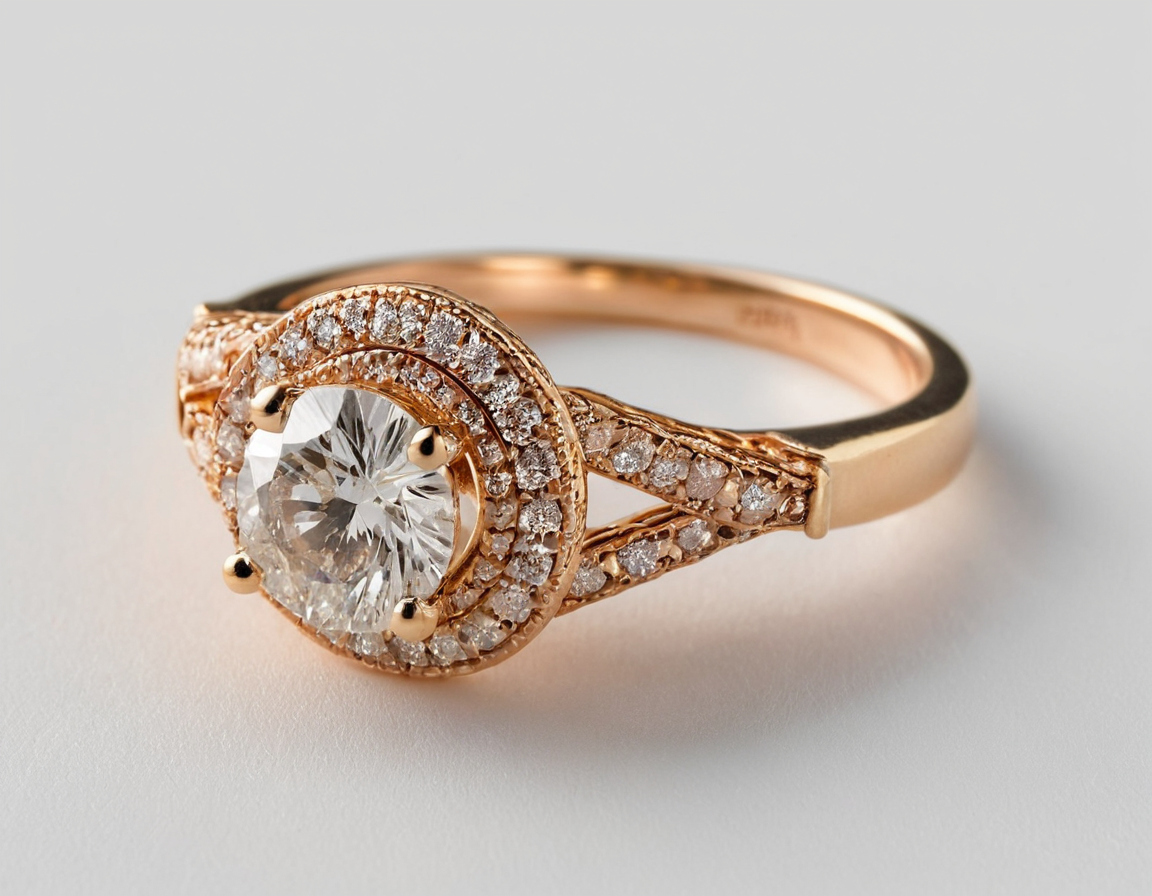
Ring setting, metal choice, and daily wear can matter as much as diamond origin shown with metal and gemstone detail for context.
Daily wear planning should include removing the ring for gym work, swimming, heavy cleaning, and chemical exposure. Book periodic prong checks and professional cleaning, and use ultrasonic cleaning only when the jeweller confirms the setting, side stones, and treatments are suitable.
Which metal choice works best with a diamond engagement ring in Dubai?
18K yellow, white, or rose gold is a practical engagement-ring standard because it balances precious metal content with setting strength. 22K gold is richer in gold but usually too soft for delicate pavé, tension, or fine-claw diamond settings. White gold may need rhodium replating over time, while platinum, if chosen, offers density and a naturally white colour.
Metal weight, karat, making charges, and VAT are separate from diamond origin, so compare them clearly on the invoice; this is where how Dubai gold rates affect the metal portion of a ring invoice becomes relevant. Before paying a deposit, the next step is to ask exactly how the ring will be documented, serviced, resized, and protected.
Before paying a deposit in Dubai, the buyer should ask these diamond-ring questions
Before paying a Dubai jeweller for a diamond ring, the buyer should confirm the diamond’s origin, report number, specifications, setting metal, resizing limits, delivery timeline, warranty, and final invoice wording. Custom engagement rings need extra clarity because CAD changes, stone selection, and approvals can affect cost and timing.
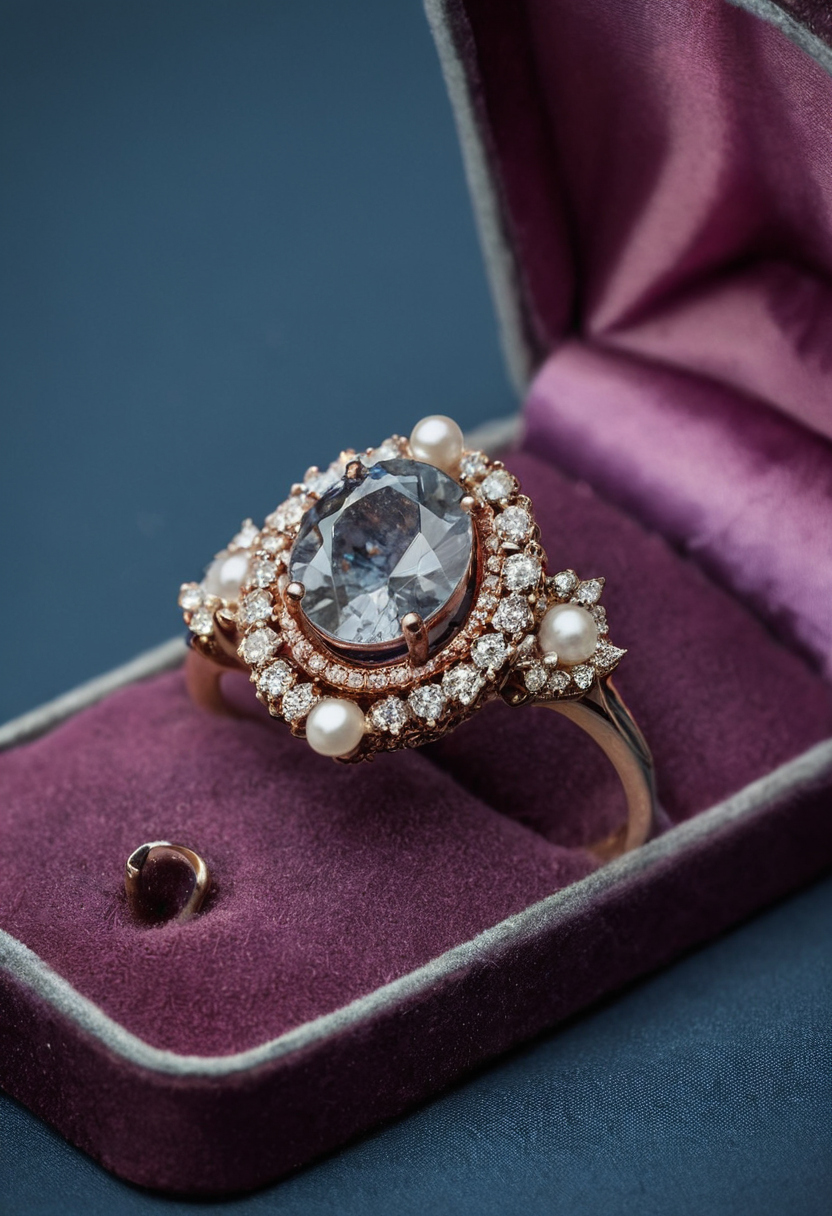
Before paying a deposit in Dubai, the buyer should ask these diamond-ring questions shown with metal and gemstone detail for context.
What exact questions should a Dubai buyer ask about the diamond?
- Is the centre stone natural or laboratory-grown, and will the same wording appear on the invoice?
- Which laboratory issued the grading report, what is the report number, and is there a laser inscription to match?
- What are the carat weight, colour, clarity, cut grade where applicable, measurements, fluorescence, and any treatments?
- For mounted stones, which details are fully graded and which are estimated because the setting limits inspection?
- Do side stones or a matching pair follow the same origin disclosure?
What exact questions should a Dubai buyer ask about the ring and after-sales service?
- What is the metal karat, ring size, resizing range, and expected delivery date?
- Are prong checks, cleaning, rhodium plating, side-stone replacement, and accidental damage covered or excluded?
- For bespoke work, ask when CAD approval, wax or model approval if used, stone confirmation, and final fitting occur in the custom engagement-ring design process in Dubai.
The safest next action is to request a written design confirmation, grading report copy, warranty or service card, and itemised invoice before the deposit is treated as final.
FAQs
Which diamond is best for an engagement ring in Dubai, lab-grown or natural?
The best diamond is the one that matches the recipient’s expectations, the buyer’s budget, and the jeweller’s written service policy. Choose lab-grown if documented specifications and visual size matter most within a fixed spend. Choose natural if geological origin, tradition, or heirloom meaning is central to the gift.
Can you tell the difference between a lab-grown and natural diamond by eye?
Most buyers cannot separate a lab-grown diamond from a natural diamond by unaided appearance. Origin should be confirmed through a recognised grading report, screening, inscription where present, and consistent invoice wording.
Is a lab-grown diamond real or fake?
A disclosed lab-grown diamond is real diamond, not a diamond simulant. The key distinction is origin: laboratory-grown diamond is grown by human-controlled processes, while natural diamond formed geologically.
Is it cheaper to buy a diamond ring in Dubai?
Dubai can offer broad choice and competitive retail comparison, but the final ring price depends on the diamond specifications, origin, metal karat, metal weight, making charges, VAT, setting complexity, and after-sales terms. Compare like-for-like reports and invoices rather than relying on a general price assumption.
What should be written on the invoice for a lab-grown or natural diamond ring?
The invoice should state diamond origin, report number, shape, carat weight, colour, clarity, cut grade where applicable, metal karat, ring size, total price, VAT, warranty or service terms, and any important treatment or mounted-stone limitations disclosed before purchase.