
A Dubai gold ring quote usually has at least six moving parts beyond the public per-gram rate: karat purity, gold weight, workmanship, stones, optional services, and VAT. That is why a buyer can check the daily gold rate before entering a shop and still see a final counter price that looks higher than a simple rate multiplied by grams.
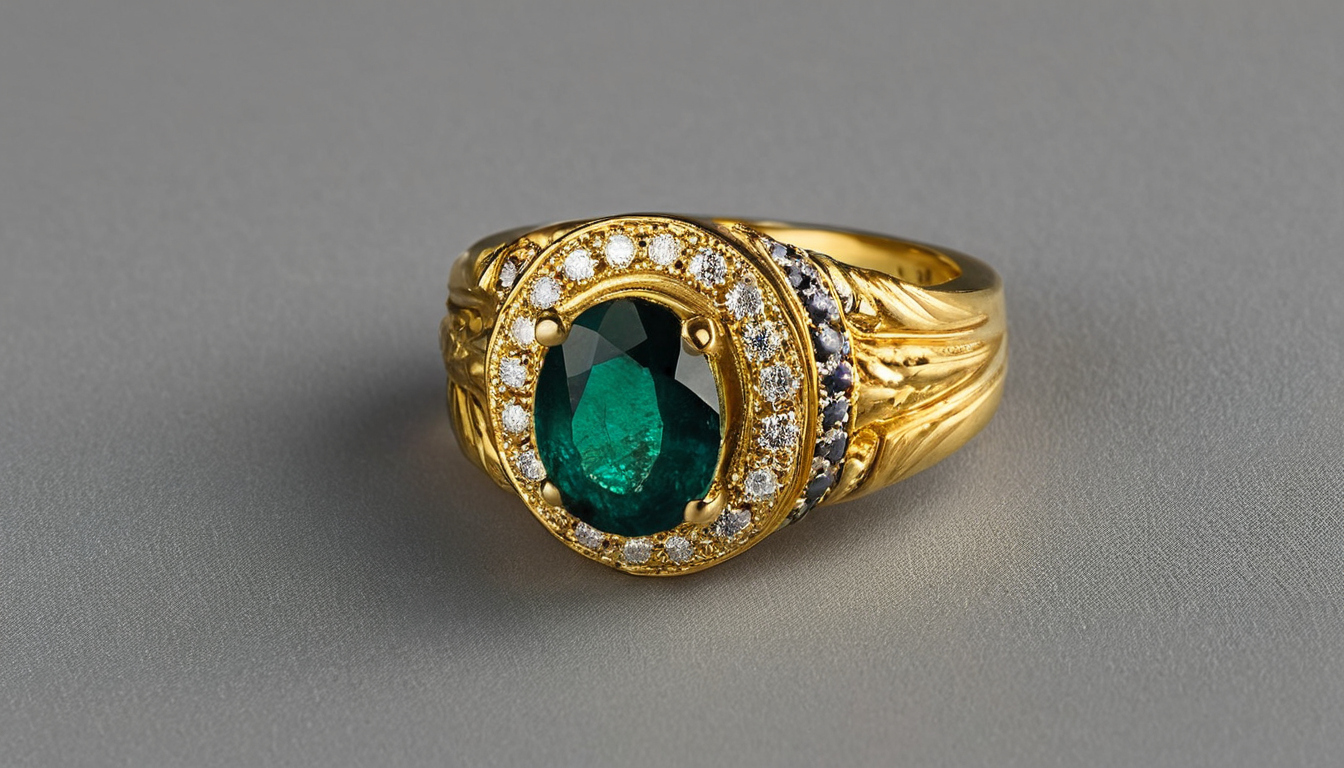
How Dubai Gold Rates Affect the Final Price of a Gold Ring shown as a fine-jewellery reference.
The Dubai gold rate is only the metal starting point for a gold ring quote
The Dubai gold rate explains the ring’s metal starting point, but a finished retail ring also includes purity, weight, workmanship, design details, possible stones, resizing or engraving, and tax. A buyer who separates those parts can judge a quote more calmly and avoid rejecting a fair price for the wrong reason.
Why does the quoted gold ring price in Dubai differ from the daily gold rate?
The daily Dubai gold rate is a reference point for gold as metal, usually shown per gram and separated by karat such as 24K, 22K, 21K, and 18K. A finished ring is not sold as loose metal. The ring has been alloyed to a wearable purity, shaped, polished, sized, sometimes stone-set, and presented through a retail invoice.
A buyer should treat the rate board like the flour price in a bakery. Flour affects the bread price, but the finished loaf also includes the baker’s work, recipe, oven time, rent, packaging, and tax. In the same way, the gold rate affects the ring’s metal value, but it does not price the ring design by itself.
- Check the karat first: Compare 18K with 18K, 21K with 21K, and 22K with 22K. A 24K rate should not be used to judge an 18K ring without a purity adjustment.
- Check the ring weight: Ask whether the quoted gram weight is gross weight or net gold weight, especially if the ring contains diamonds, gemstones, enamel, or other non-gold materials.
- Check the making charge: A plain machine-finished band, a hand-finished ring, and a pavé diamond ring can carry different labour charges even if their gold weight looks similar.
- Check the extras: Resizing, engraving, special finishing, rhodium plating on white gold, or custom design work may be included or charged separately.
- Check the tax basis: The final payable amount may include VAT on the retail invoice, so the amount paid can sit above the metal and making subtotal.
The most common misunderstanding happens when a buyer multiplies the public rate by the ring’s total gram weight and expects the shop quote to match. That quick calculation can be useful as a metal-value sense check, but it ignores purity differences, stone weight, labour, finishing, and tax. A fair comparison needs the same karat, the same net gold weight basis, and the same level of workmanship.
Which Dubai gold rate should a buyer check before visiting a jewellery store?
A Dubai gold ring buyer should check a current public UAE or Dubai retail gold rate board before visiting stores, then confirm the rate used by the jeweller at the counter. If a live rate table is not available at the time of reading, use a recognised public UAE retail rate reference and note the date and time checked.
The useful rate is the one that matches the ring’s karat. A buyer looking at a 22K ring should not negotiate from the 24K rate without understanding the purity difference. A buyer comparing 18K diamond rings should ask how the shop has separated gold weight from diamond or gemstone weight.
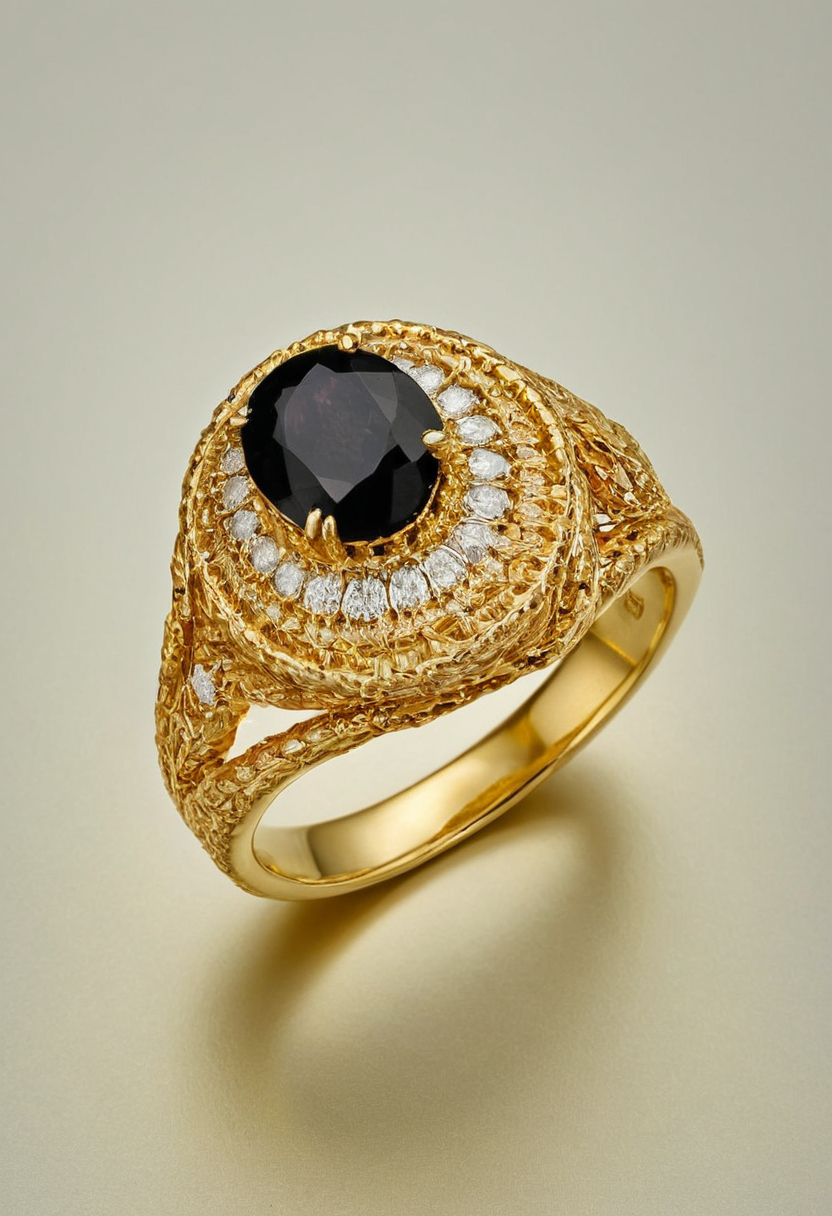
The Dubai gold rate is only the metal starting point for a gold ring quote shown with metal and gemstone detail for context.
Before accepting a quote, ask one simple question: “Can you show me the rate, karat, gold weight, making charge, extras, and VAT separately?” That question moves the conversation from a single rounded price to an invoice that can be compared. The next step is understanding how those lines combine, because a Dubai gold ring invoice is usually built from rate, purity, weight, labour, extras, and VAT.
A Dubai gold ring invoice is usually built from rate, purity, weight, labour, extras, and VAT
For a ring bought in Dubai for personal use, the practical pricing model is metal value plus workmanship and applicable charges, then tax. The exact layout varies by jeweller, but buyers should expect to see karat, gross weight, possible stone weight, making charge, discounts if any, and VAT clearly separated or explained.
What is the basic formula for estimating the price of a gold ring in Dubai?
The simplest diagnostic is: gold component + making or workmanship charge + stones or extras + applicable VAT = final invoice price. This formula explains why a ring quote does not match the public gram rate on the rate board, even when the shop uses the same daily rate.
The gold component starts with the day’s retail rate for the ring’s karat, then multiplies that rate by the chargeable gold weight. A plain 22K band, an 18K diamond ring, and a 21K patterned ring cannot be compared by total price alone because each uses a different purity and may have a different chargeable weight.
The workmanship charge pays for the labour, design, finishing, polishing, setting work, and store-specific production cost behind the ring. Some jewellers show this as a per-gram making charge, some show it as a fixed amount, and some include design loss or wastage within the making line rather than listing it separately. The buyer’s task is not to force every shop into the same invoice format, but to ask what each line includes.
Gem-set rings need one more check. Diamonds, coloured gemstones, enamel, ceramic details, or other non-gold parts may be weighed with the ring physically, but they should not be treated as gold weight when the gold value is calculated. A careful quote should make clear whether the stated weight is gross ring weight or net gold weight after stone weight is allowed for.
VAT belongs at the checkout stage, not at the public rate-board stage. The UAE Federal Tax Authority provides a VAT calculator that applies VAT at 5%, but a jewellery buyer should still ask the store to show how the VAT amount on the invoice was calculated after discounts and taxable charges are entered.
Which invoice fields should a Dubai gold ring buyer check before paying?
A strong invoice check is a short inspection, not a negotiation script. Before paying, the buyer should confirm that the written invoice matches the ring being handed over, the tag on the tray, and the verbal quote given at the counter.
- Karat purity: Check whether the ring is 18K, 21K, 22K, or another stated purity, because the gold value depends on purity.
- Gold rate used: Ask which day’s retail gold rate and which karat rate were used for the calculation.
- Gross weight: Confirm the total physical weight of the finished ring, especially for stone-set designs.
- Net gold weight: For diamond or gemstone rings, ask whether stone weight has been separated from the gold calculation.
- Making charge: Check whether workmanship is charged per gram, as a fixed fee, or bundled with design loss or finishing.
- Stone or setting charge: Ask for separate values for diamonds, gemstones, certificates, or setting work where relevant.
- Discount: Confirm whether any reduction applies to making charges, stone charges, or the total invoice.
- VAT amount: Make sure the tax line is visible or clearly explained before payment.
- After-sales notes: Ask whether resizing, polishing, engraving, plating, or stone tightening is included or charged later.
The invoice becomes easier to judge once the buyer separates the ring into its parts: metal, labour, stones, extras, and tax. The next question is why the same gram weight can carry a different gold value, and that answer starts with karat purity.
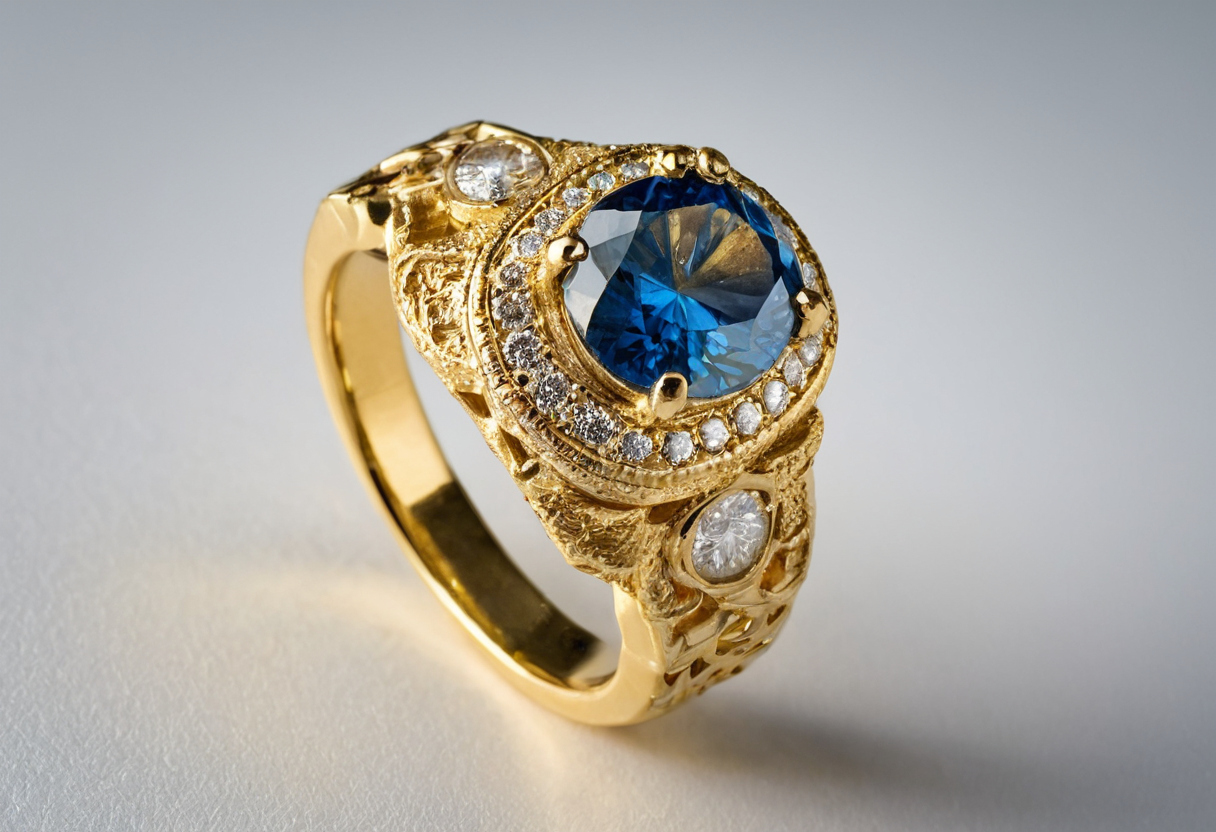
A Dubai gold ring invoice is usually built from rate, purity, weight, labour, extras, and VAT shown with metal and gemstone detail for context.
Karat purity changes the gold value of an 18K, 21K, 22K, or 24K ring
Karat purity determines how much pure gold is present in the alloy before workmanship is added. An 18K ring, a 21K ring, and a 22K ring can have different gold values even at the same gram weight because each purity contains a different proportion of gold.
How does 18K, 21K, 22K, and 24K purity affect a ring’s gold component?
Gold karat works like a 24-part recipe. A purity reference for fineness describes fine precious metal as the proportion of pure metal within the total object, including alloy metals, and explains that gold karat purity is measured in parts per 24. That is why the karat on a Dubai ring tag changes the metal value before any making charge is discussed.
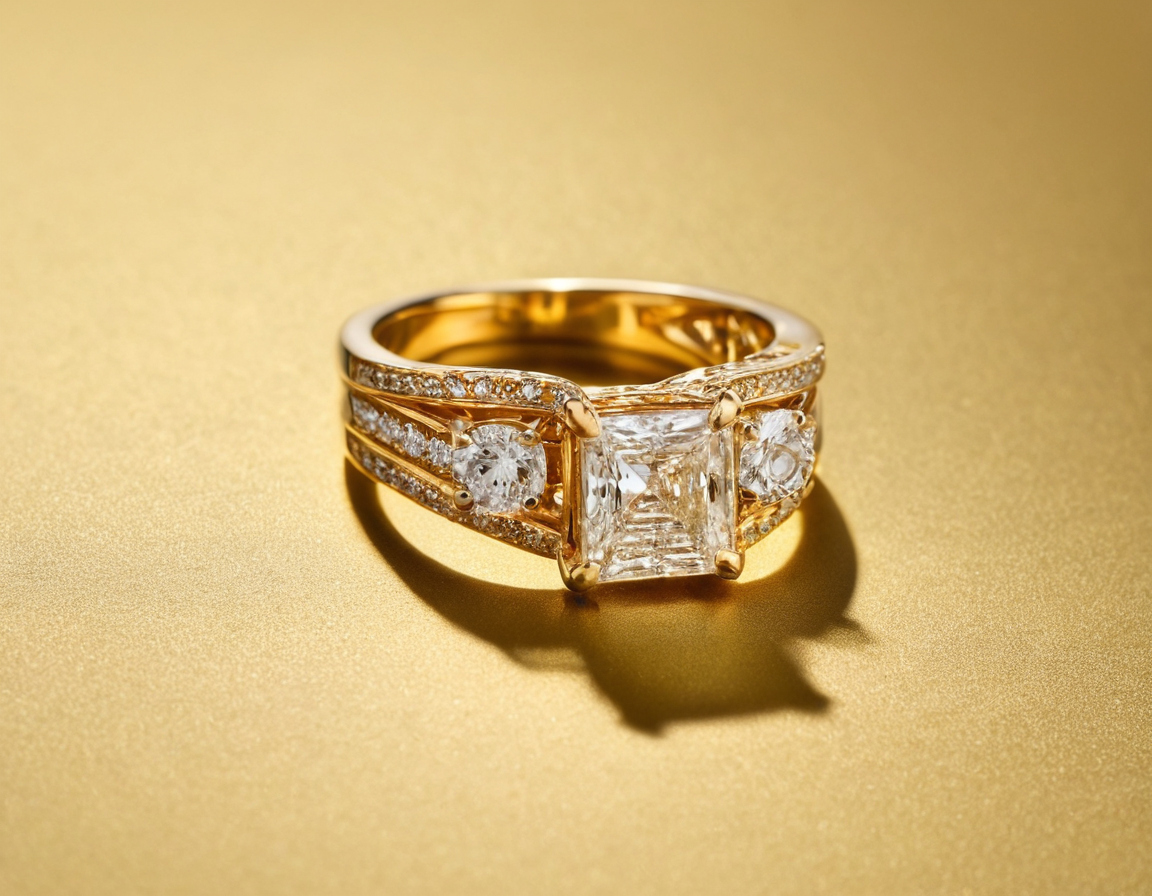
Karat purity changes the gold value of an 18K, 21K, 22K, or 24K ring shown with metal and gemstone detail for context.
| Karat shown on ring quote | Gold proportion | Common fineness expression | What it means for a buyer |
|---|---|---|---|
| 18K | 18 parts gold out of 24, or 75% gold | 750 | Often chosen for rings with diamonds or gemstones because the alloy can support daily wear and secure settings. |
| 21K | 21 parts gold out of 24, or 87.5% gold | 875 | Higher gold content than 18K, with a richer yellow colour, but usually softer than 18K for intricate ring work. |
| 22K | 22 parts gold out of 24, about 91.6% gold | 916 | Popular in traditional gold jewellery, but less suited to very delicate claws or fine stone-set details than lower-karat alloys. |
| 24K | 24 parts gold out of 24, treated as pure gold for karat comparison | 999 in common millesimal notation | Best known for bullion, coins, and bars rather than everyday rings that need strength and shape retention. |
The table shows why two rings with the same gross weight cannot be compared by weight alone. If both rings weigh the same but one is 18K and the other is 22K, the 22K ring contains more gold by proportion, while the 18K ring may still cost more if the workmanship, stone setting, or design is more complex.
Dubai retail tags and invoices commonly identify the karat as 18K, 21K, 22K, or 24K, sometimes alongside fineness-style numbers such as 750 or 916. A buyer should match the karat on the tag, the invoice, and any hallmark or product description before comparing one shop’s quote with another.
Why are most gold rings not priced like 24K gold coins or bars?
A gold coin or bar is mainly a metal product, so the buyer’s attention usually stays close to purity, weight, and the live gold rate. A gold ring is a wearable object, so the quote also reflects alloy choice, shaping, soldering, finishing, sizing, and any stone-setting work.
Ring alloys are chosen for practical reasons as well as colour. 18K gold can offer a useful balance for engagement rings, diamond bands, and gemstone rings because alloy metals help the setting hold its form. 21K and 22K gold give a higher gold proportion and a warmer yellow appearance, but very fine prongs, pavé work, or slim shanks may need a stronger alloy depending on the design.
The practical comparison is simple: use the daily Dubai gold rate to understand the metal starting point, then adjust for the ring’s karat and actual gold weight. After purity, the next price jump usually comes from workmanship, stone setting, and design complexity, which can move a gold ring far above its metal value.
Making charges, stone setting, and design complexity can move a gold ring price far above the metal rate
Making charges reflect the labour, finishing, casting, polishing, stone setting, and design difficulty behind a wearable gold ring. A plain band, a textured ring, a diamond-set ring, and a custom design may use similar gold weight but require very different workmanship and therefore different final prices.
Why can two gold rings with the same gram weight have different prices in Dubai?
Two gold rings with the same karat and similar gram weight can carry different quotes because the public gold rate only values the metal portion. The jeweller still has to price the work needed to turn that metal into a durable, comfortable, finished ring.
A plain machine-made band usually has a simpler labour profile: forming, sizing, polishing, and basic quality checks. A handmade ring, carved texture, openwork pattern, filigree detail, heavy comfort-fit interior, matte finish, or two-tone construction adds workshop time and finishing risk.
| Invoice example | Gold details | Workmanship difference | Why the quote changes |
|---|---|---|---|
| Plain wedding band | Same karat, similar net gold weight | Standard forming and polish | Lower making charge because the design is straightforward. |
| Textured or handmade band | Same karat, similar net gold weight | Hand finishing, pattern work, extra quality checks | Higher making charge because labour, finishing time, and design complexity increase. |
| Diamond-set ring | Gold weight may be similar, but stones are separate | Setting seats, stone security, polishing around settings | Higher quote because the ring includes stone cost and setting labour. |
Dubai retailers may show workmanship as a fixed making charge, a per-gram making charge, or a percentage-based workmanship line. The important comparison is not which label the store uses, but whether the quote separates metal value from labour clearly enough for the buyer to compare like with like.
How do diamonds or gemstones change the final gold ring quote?
Diamonds and gemstones change a gold ring quote because the ring is no longer only a gold item. The invoice should separate the gold component from the stone component, especially where diamond size, colour, clarity, cut, certification, gemstone treatment, or matching work affects value.
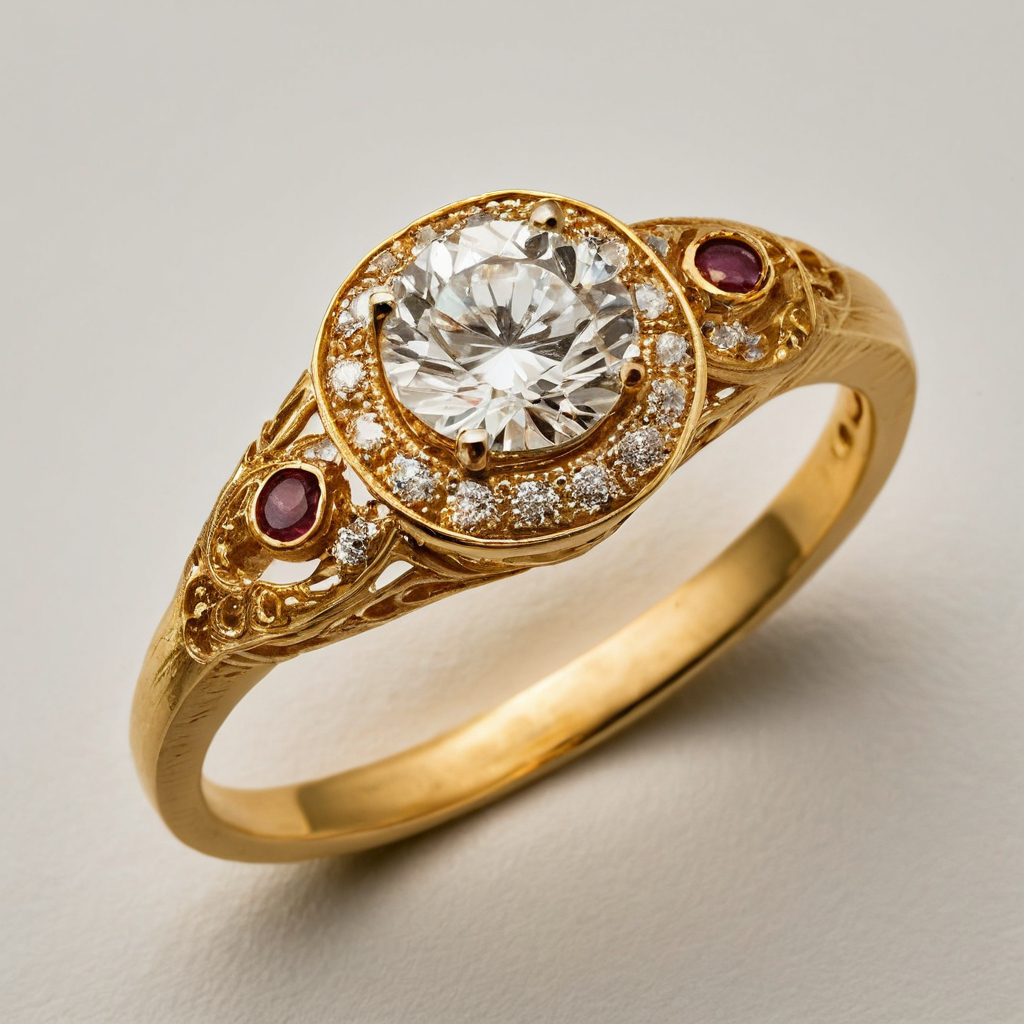
Making charges, stone setting, and design complexity can move a gold ring price far above the metal rate shown with metal and gemstone detail for context.
Gem-set ring weight needs careful reading. A display tag may show gross ring weight, which includes gold and stones together, while a transparent quote should clarify the net gold weight used for the metal calculation where relevant. A buyer should ask, “Is the stone weight deducted before calculating the gold value?”
Stone setting also adds labour. A single bezel-set gemstone, a row of prong-set diamonds, pavé work, channel setting, and invisible-style setting do not require the same skill or time. Smaller stones can be labour-intensive because each seat must be prepared, each stone aligned, and each setting checked for security.
Diamond-set rings should also be judged by diamond information, not gold rate alone. For a meaningful comparison, ask for the diamond total weight, number of stones, colour and clarity range, cut description where available, and grading report for important centre stones.
When do resizing, engraving, or custom design fees apply to a gold ring?
Resizing fees depend on the ring structure. A simple plain band is usually easier to adjust than a full eternity ring, a ring with side stones, a heat-sensitive gemstone, enamel, rhodium plating, or a complex surface finish. The jeweller may need extra gold, laser work, resetting, refinishing, or re-plating.
Engraving can be included in a purchase or listed separately, depending on the store policy, message length, font, language, and whether the ring shape allows clean engraving. A buyer choosing a gift ring should confirm engraving before payment, because inner-ring space and future resizing plans can limit the result.
Custom design fees apply when the buyer asks for a ring that is not already in stock or requires meaningful modification. A proper custom quote normally needs design approval, ring size, karat, stone selection, CAD or sketch confirmation, workshop feasibility, finishing choice, and an estimated delivery timeline.
The safest way to read a higher gold ring quote is to ask which part is metal, which part is workmanship, which part is stones, and which part is optional service. Once those lines are clear, the next question is what UAE VAT and retail documentation do to the final payable amount.
UAE VAT and retail documentation affect what a buyer finally pays for a gold ring
For jewellery purchased from a UAE retailer, the final bill must be read in the local tax and documentation context. A buyer should check how VAT is applied, whether the invoice separates taxable amounts, and whether the receipt records karat, weight, item description, stone charges, service charges, and discounts clearly.
Does UAE VAT apply to the daily gold rate or the final jewellery invoice?
UAE VAT is not something a buyer should compare only against the public gold rate board. The daily gold rate helps estimate the metal portion, but the shop bill may also include making charges, stone charges, engraving, resizing, or other retail services. The VAT line should be checked against the taxable invoice amount shown by the retailer, not against a mental estimate based only on grams.
A practical invoice check is simple: ask, “Is this total before VAT or after VAT?” Then ask the sales consultant to point to the line that shows the gold value, making charge, stone or service charge, discount, VAT amount, and final payable amount. A clear answer protects the buyer from comparing one quote that includes VAT with another quote that still needs tax added.
What documents should a Dubai gold ring buyer keep after purchase?
A Dubai gold ring buyer should keep the original tax invoice first. The invoice should identify the retailer, date of purchase, item description, karat purity, gross weight, net gold weight where stated, gold rate used, making charge, stone details if relevant, discount, VAT, and final amount paid. For a gift, a copy or gift receipt may help with resizing or exchange without exposing every payment detail.
Diamond-set and gemstone rings need more paperwork than plain gold bands. Keep any diamond grading report, gemstone report, warranty card, resizing note, valuation note, or care document supplied at purchase. These records help later if the ring needs resizing, stone tightening, insurance discussion, repair assessment, or resale conversation.
Documentation also helps separate memory from fact. A buyer may remember that a ring was “22K” or “diamond-set,” but an invoice records the karat, weight, and billed components that matter at the counter. After VAT and paperwork are clear, the next fair comparison is stricter: same karat, same net weight, same workmanship level, and the same tax basis.
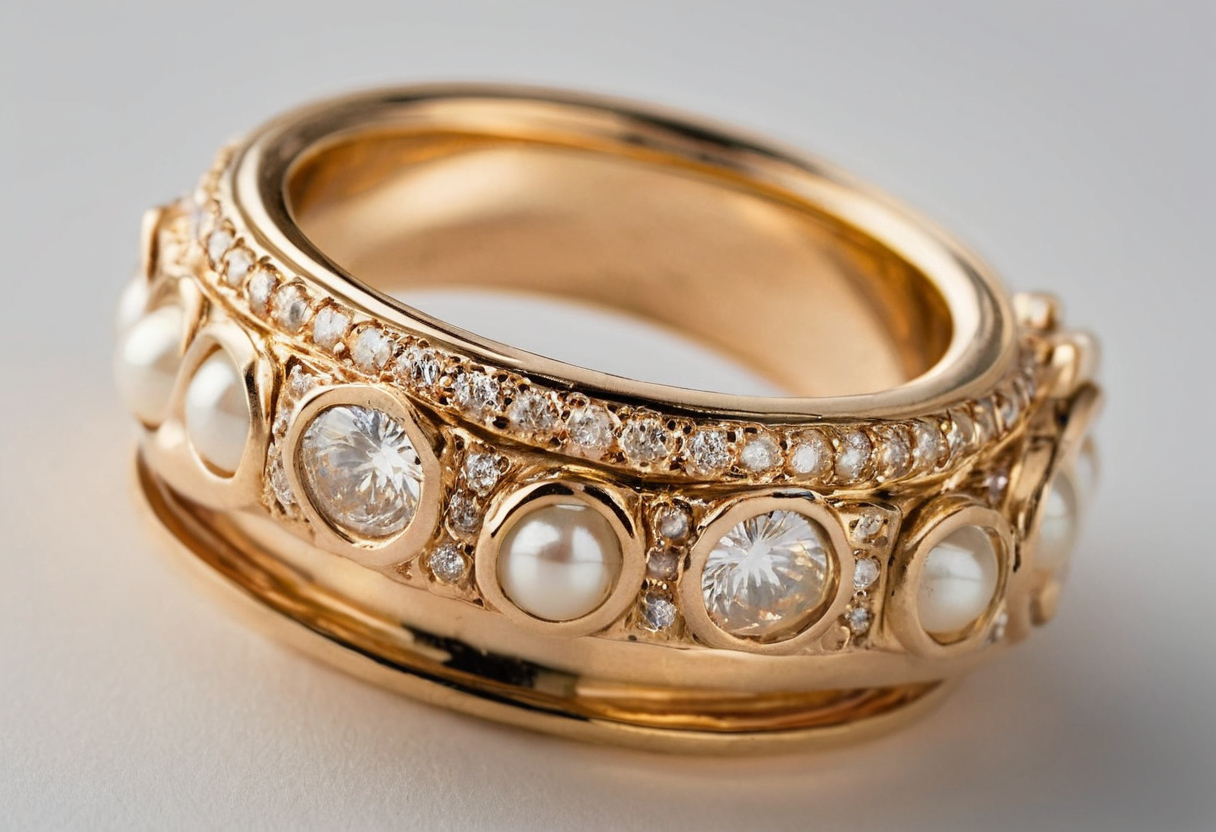
UAE VAT and retail documentation affect what a buyer finally pays for a gold ring shown with metal and gemstone detail for context.
A confident Dubai gold ring buyer compares the same karat, net weight, workmanship, and tax basis
The fair comparison across Dubai gold ring quotes is not the lowest headline price, but the clearest like-for-like breakdown. Compare the same karat, net gold weight, ring style, making charge method, stone details, resizing promise, after-sales policy, and VAT treatment before deciding whether one quote is genuinely better than another.
What should a buyer ask before accepting a Dubai gold ring quote?
A Dubai gold ring quote should answer the same practical questions that appear on a clear retail invoice. The buyer should not compare one store’s verbal total with another store’s detailed written breakdown, because the missing fields may hide labour, stones, or service terms.
- Karat: Is the ring 18K, 21K, 22K, or another purity, and is the same karat used in every quote?
- Weight basis: Is the quoted weight gross weight, net gold weight, or total weight including diamonds, gemstones, enamel, or other materials?
- Gold rate: Which per-gram rate is being applied for that karat at the time of quotation?
- Making charge: Is workmanship charged per gram, as a fixed amount, or as part of a package price?
- Wastage or design charge: Is any additional fabrication allowance included, and is it negotiable?
- Stone charge: Are diamonds or gemstones priced separately, and are their carat weight, quality, and treatment details written down?
- VAT and total: Is tax shown separately, and does the final payable amount match the invoice total?
- After-sales: Is resizing, polishing, cleaning, exchange, repair, or warranty support included, limited, or charged later?
For a plain band, the strongest comparison is usually karat, net gold weight, per-gram rate, and making charge. For a diamond-set ring, the comparison must also include diamond quality, setting labour, and whether stone weight has been separated from gold weight. For a custom ring, the comparison must include design work, CAD or wax approval, production timeline, resizing limits, and cancellation terms.
When is a higher gold ring quote still reasonable in Dubai?
A higher gold ring quote can be reasonable when the extra cost is attached to visible work, measurable stone quality, or a stronger service promise. A hand-finished band, intricate filigree, pavé diamond setting, two-tone construction, hidden sizing work, or a bespoke design can carry more labour than a simple machine-made ring of the same gram weight.
A gem-set gold ring also needs a different value check. Diamond-set rings should be compared by diamond carat weight, colour, clarity, cut, setting security, and any grading report provided for significant stones. Gemstone rings should record the stone type, approximate weight, treatment disclosure where relevant, and setting style, because a fragile or heat-sensitive stone can affect future resizing and repair options.
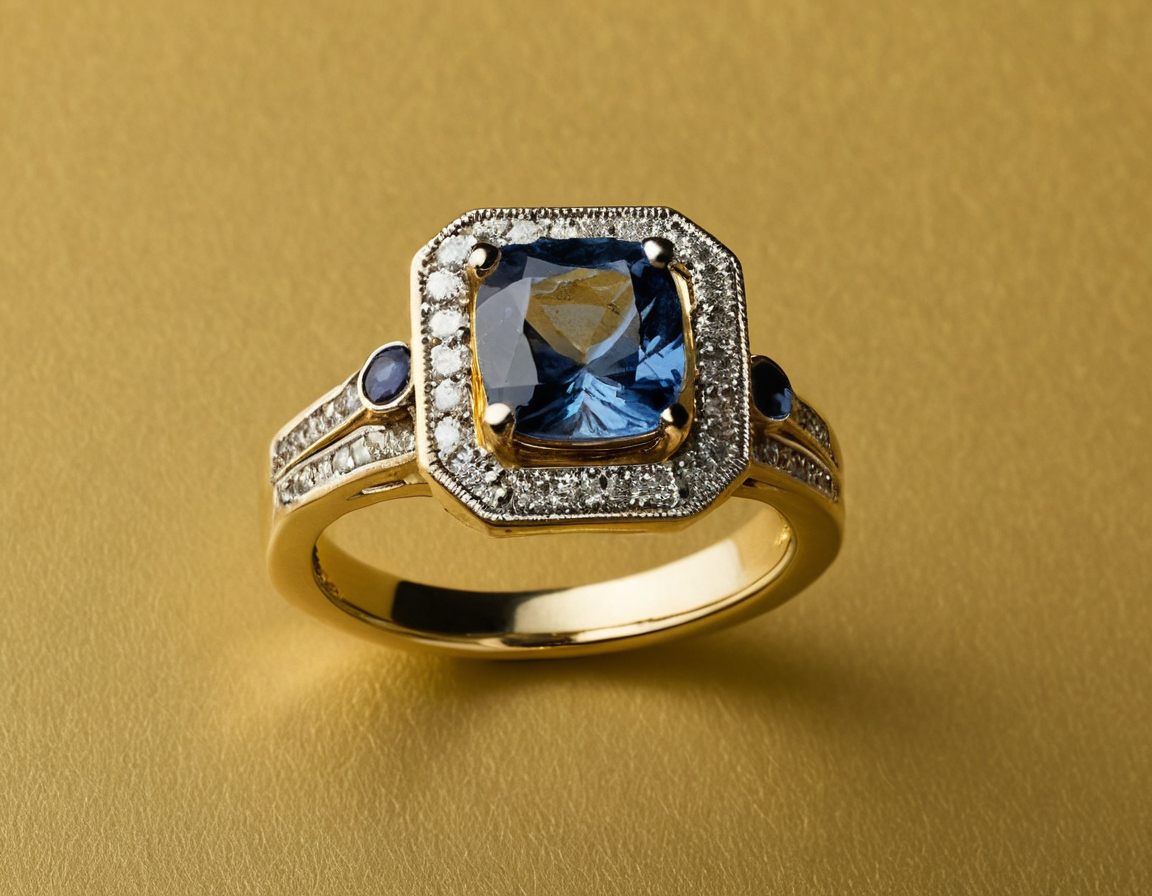
A confident Dubai gold ring buyer compares the same karat, net weight, workmanship, and tax basis shown with metal and gemstone detail for context.
After-sales terms can matter more for a gift or daily-wear ring than a small difference in the first quote. A ring bought for everyday use may need future polishing, prong checks, resizing, or repair advice, while a surprise gift may need an exchange window or size adjustment. The practical buying habit is simple: ask each jeweller for the same written breakdown, compare like with like, and choose the quote that explains its value clearly before you pay.
FAQ
Does the price of gold affect the price of a gold ring in Dubai?
Yes, the gold rate affects the metal component of a Dubai gold ring. The final price also includes karat purity, chargeable gold weight, making charges, stone or setting charges where relevant, optional services, and VAT.
How can I check today’s 22K gold rate in Dubai before buying a ring?
Check a current public UAE or Dubai retail gold rate board before visiting stores, then confirm the 22K rate used by the jeweller at the counter. Note the date and time of the rate check because gold rates can change, and compare only against rings quoted in the same karat.
Is it better to buy a gold ring in Dubai or the USA?
The better purchase depends on the full invoice, not only the public gold rate. Compare the ring’s karat, net gold weight, making charge, stone quality, certification, tax treatment, resizing policy, warranty terms, and exchange conditions in each market before deciding.
Is Dubai really giving large discounts on gold rings, or are discounts usually on making charges?
Many retail discounts are easier to understand when the jeweller shows which line has been reduced. A discount may apply to making charges, stone charges, a package price, or another invoice component, so ask whether the gold value itself changed or whether the reduction was on workmanship or extras.
Why is a Dubai gold coin price different from a Dubai gold ring price?
A gold coin is closer to a metal product, so its price usually tracks purity, weight, and the gold rate more directly. A gold ring is a wearable jewellery item, so the final quote also reflects alloy choice, design, forming, polishing, sizing, stone setting, retail service, and tax documentation.